← All Work

01 — Branding & Packaging Design

Signals

A speculative multisensory fragrance system that translates scent into visual and motion based design. It reframes fragrance as an adaptive identity, where emotion and perception shape how the brand is experienced. Scent is not described, but expressed through colour, form, and behaviour.

Branding Packaging Design Motion Sensory Systems Spatial Design

2025 — 2026

Overview

Context

Fragrance is typically designed as a descriptive and static product, limited to olfactory communication.

Aim

To reposition scent as a responsive sensory system shaped by perception, cognition and emotion.

System Response

Signals operates across physical, digital and spatial layers translating each fragrance into colour, motion and sound behaviours. Packaging functions as a sensory interface while motion and sound extend scent into time based experience.

Packaging Design

Signals Packaging
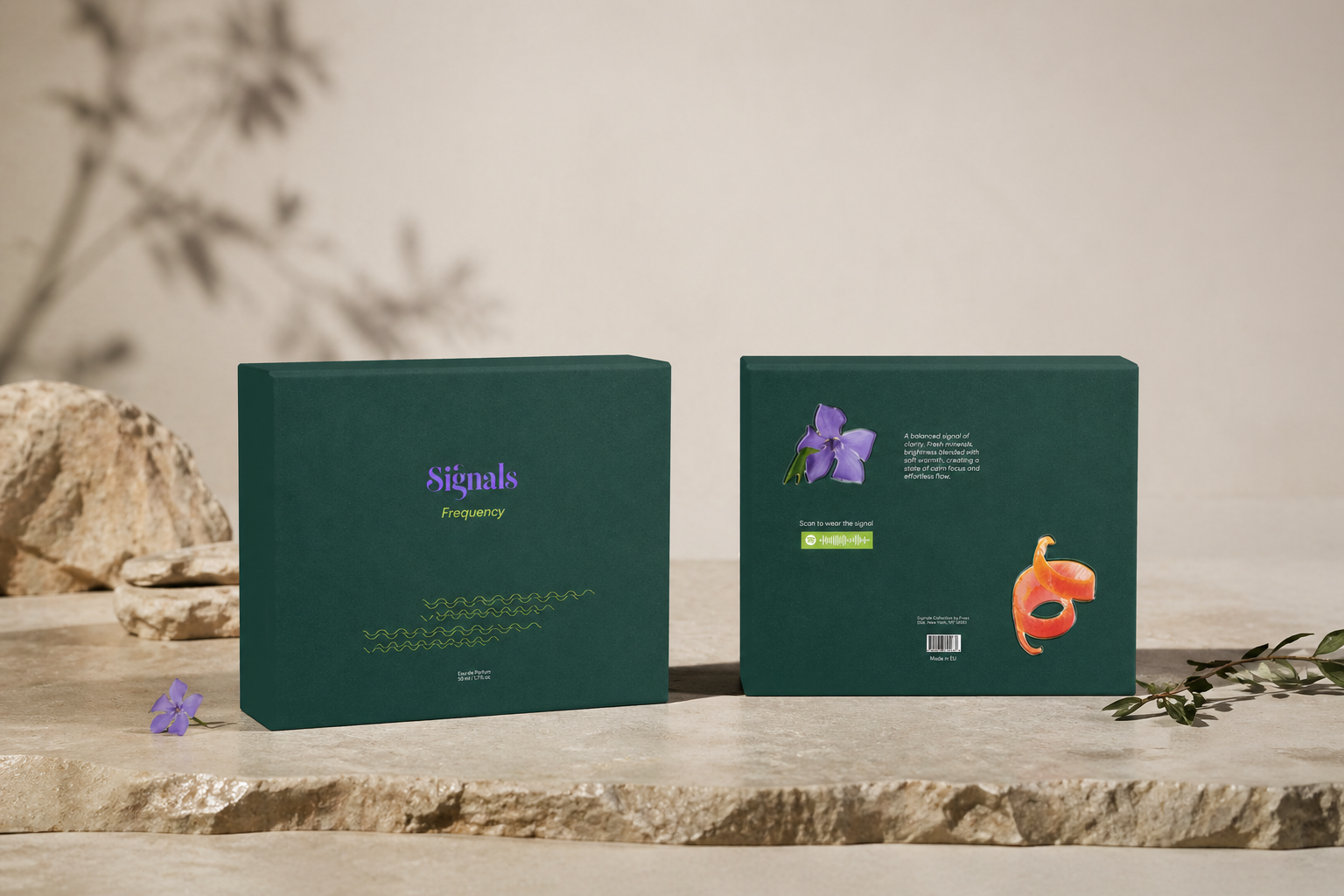
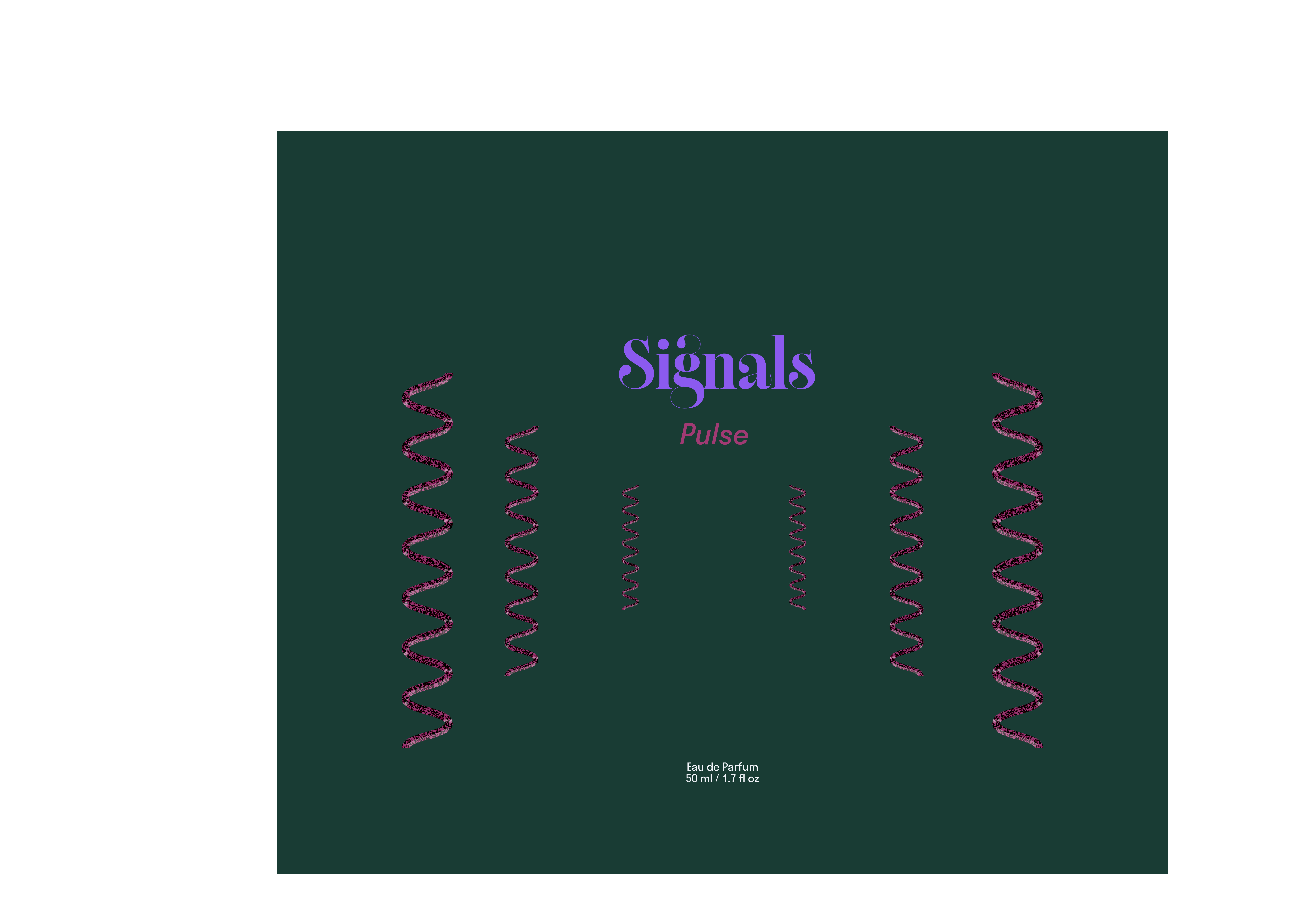
Signals Frequency box front and back
Signals Whisper perfume packaging open

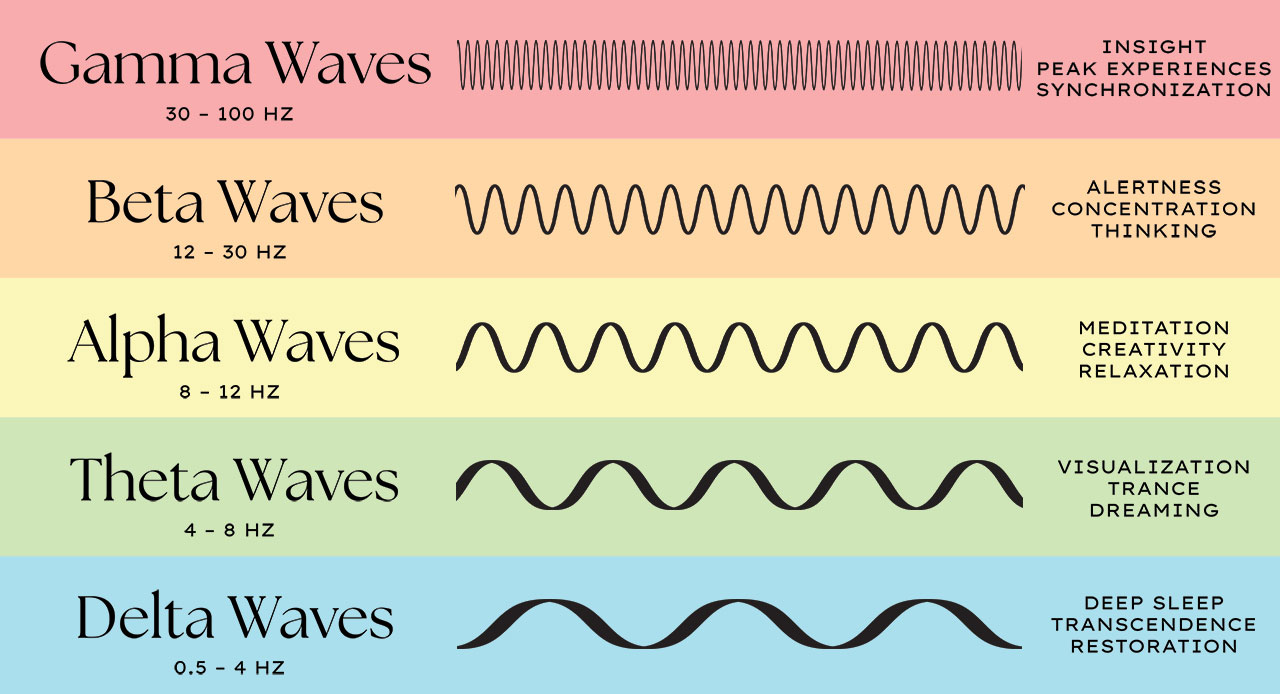
The visual language is mathematically derived from EEG data, mapping specific scent profiles to their corresponding neural signatures. This creates a data-driven sensory translation where the frequency of the graphic waveforms directly reflects the neurological state induced by the fragrance.
Delivery Packaging

Perfume at Home

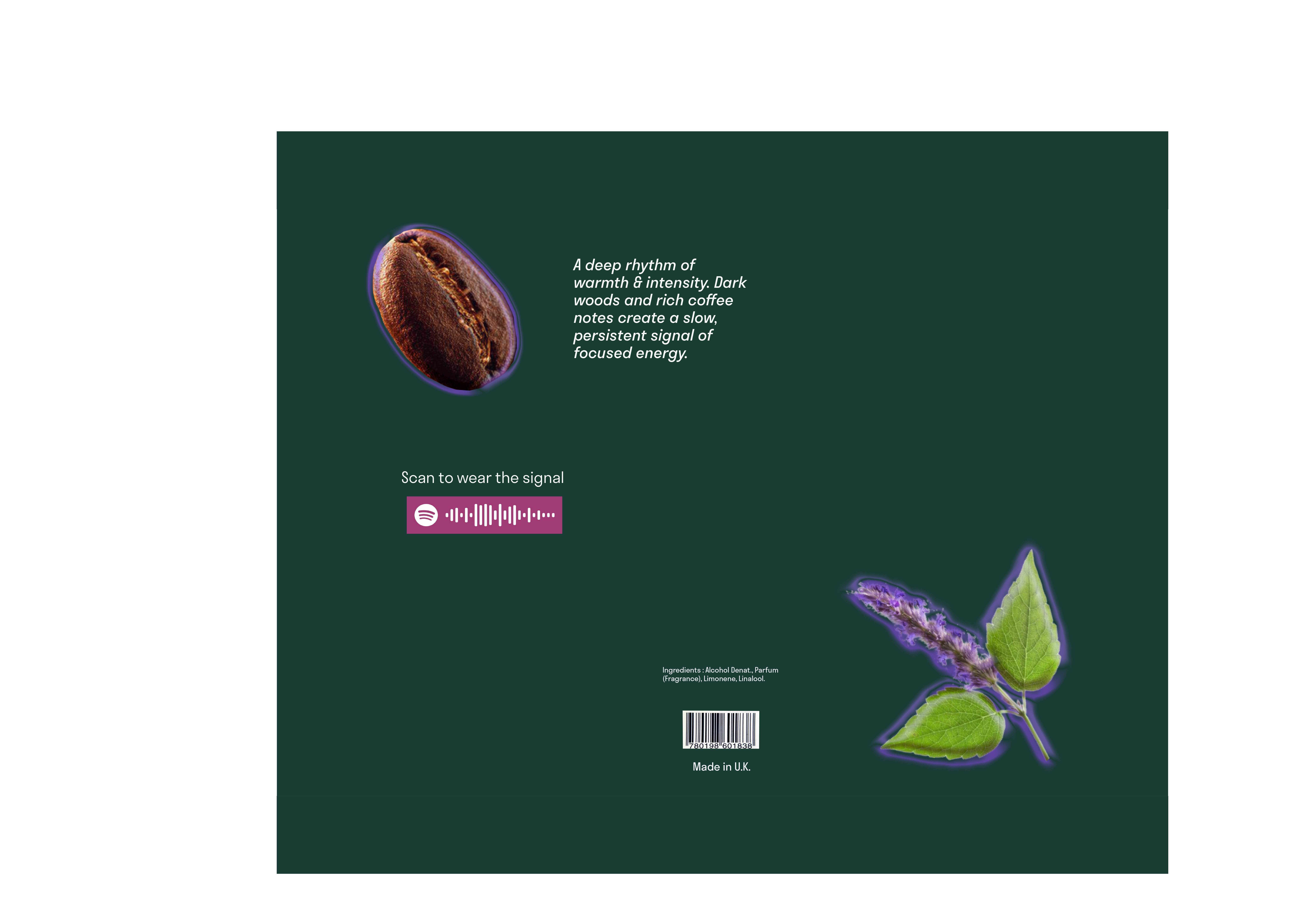
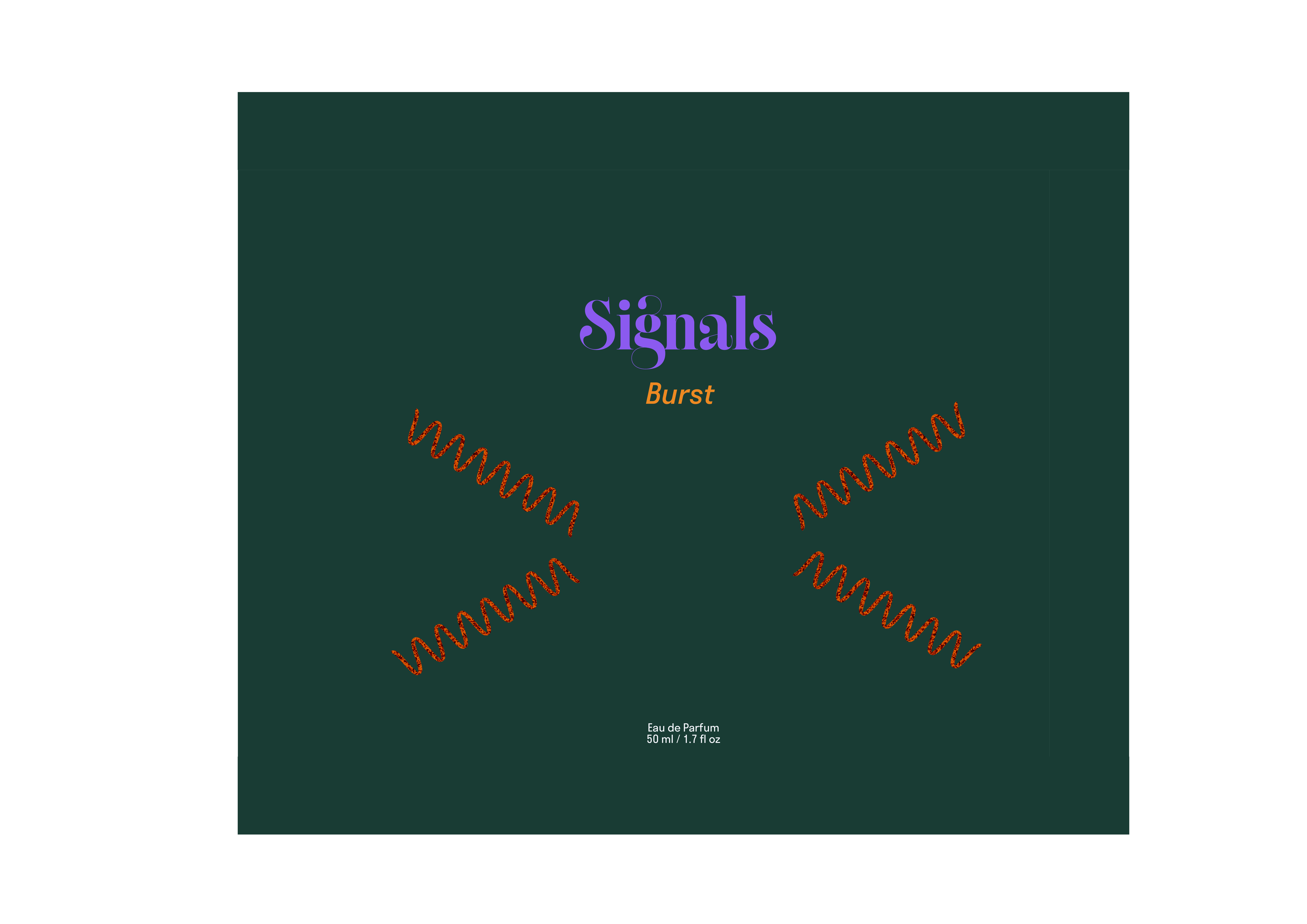
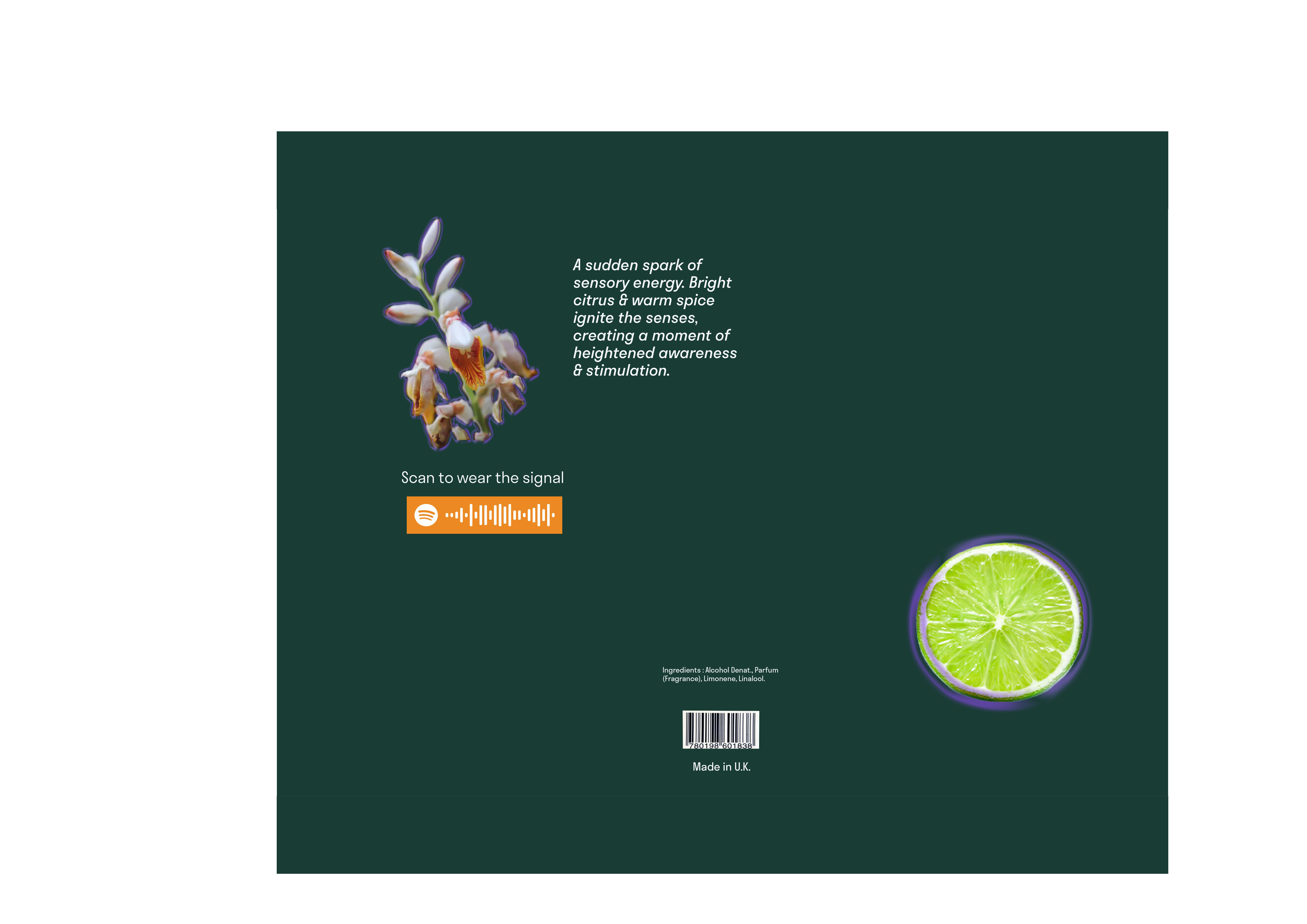
The home delivery packaging translates each scent's identity across a fully printed surface. Each package carries the scent profile on the back alongside a Spotify code — scan to wear the signal.

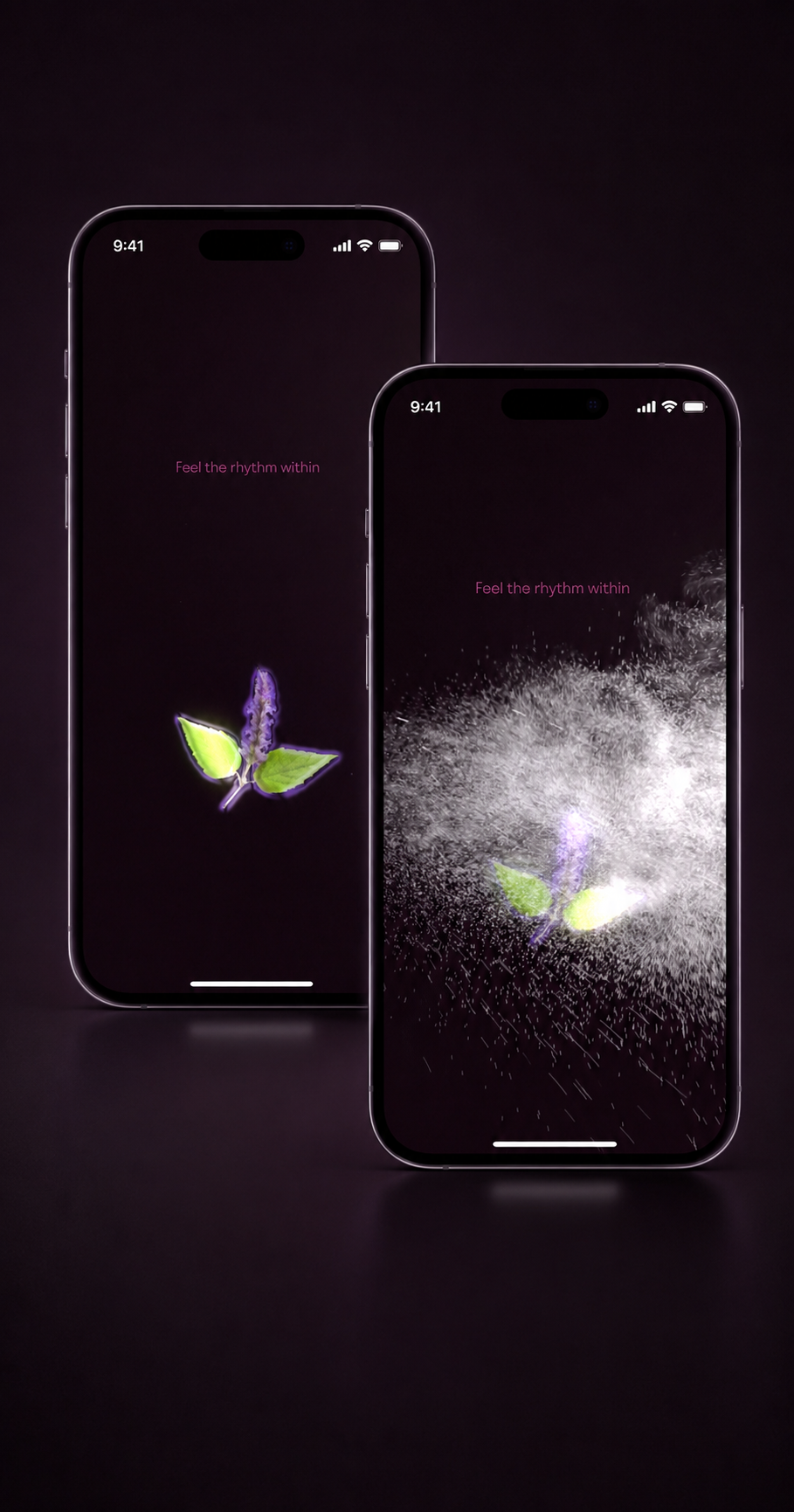
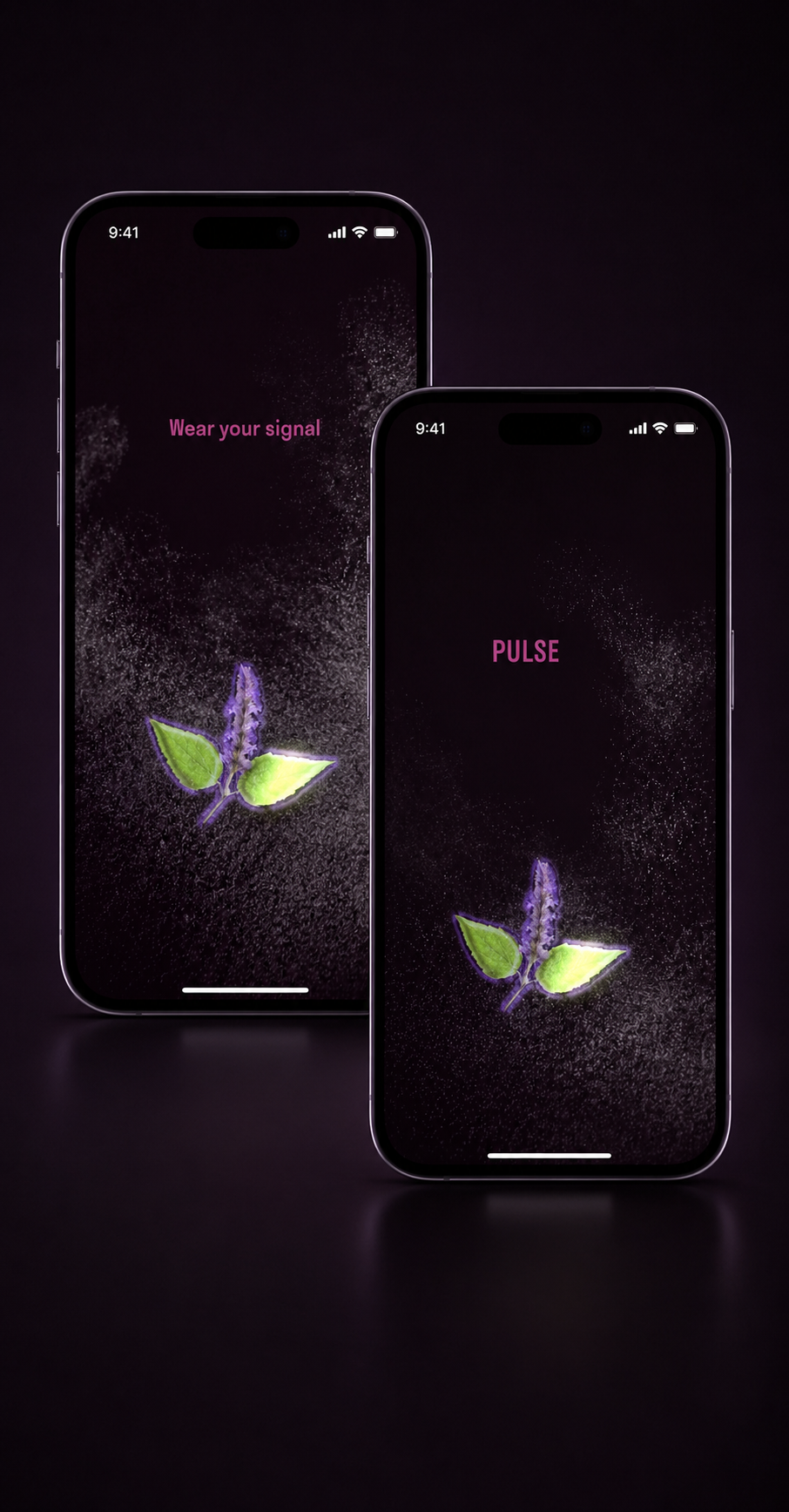
Burst delivery front Burst delivery back Pulse delivery front Pulse delivery back

Flat-Lay Structural Mapping

Flat-Lay Structural Mapping

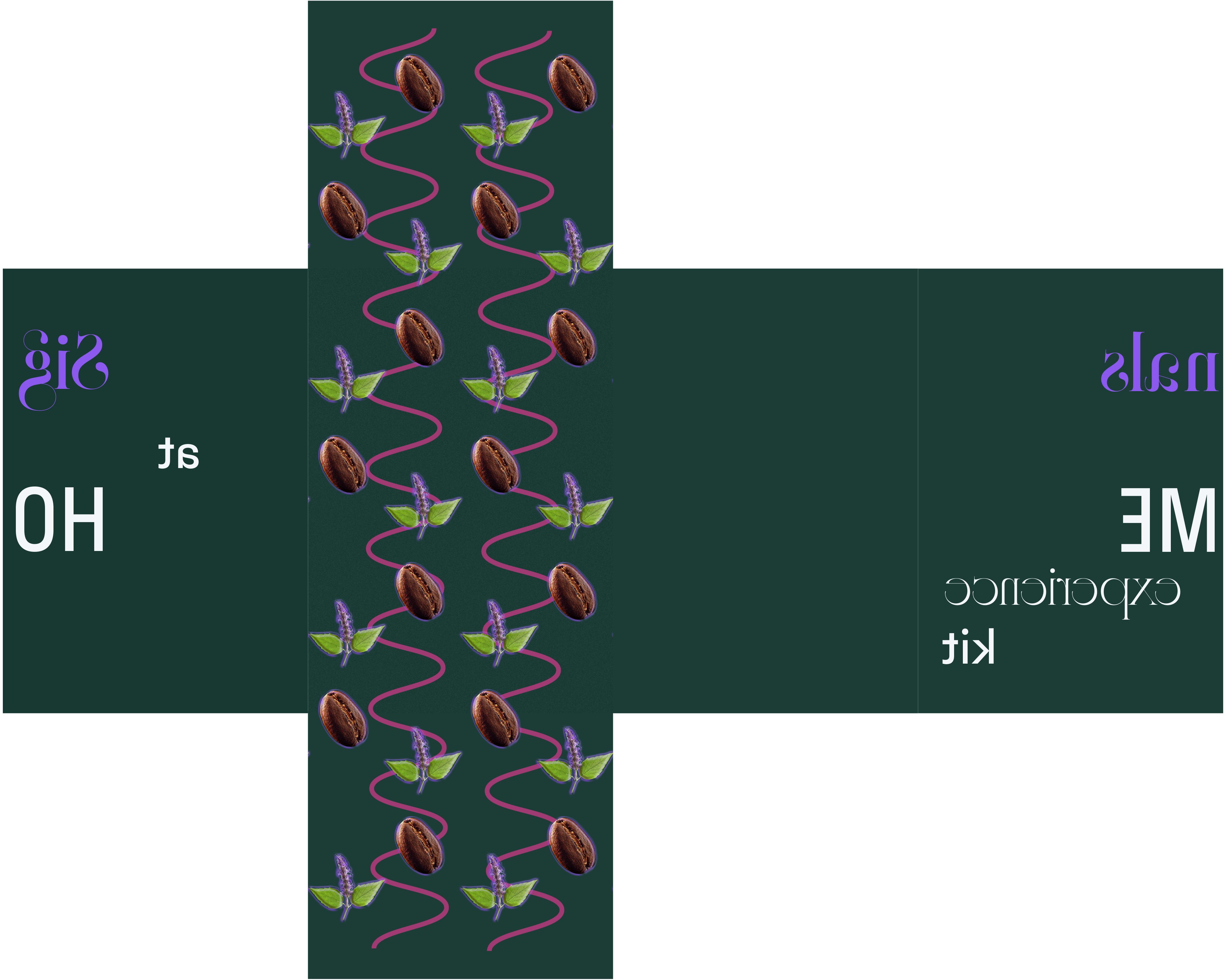
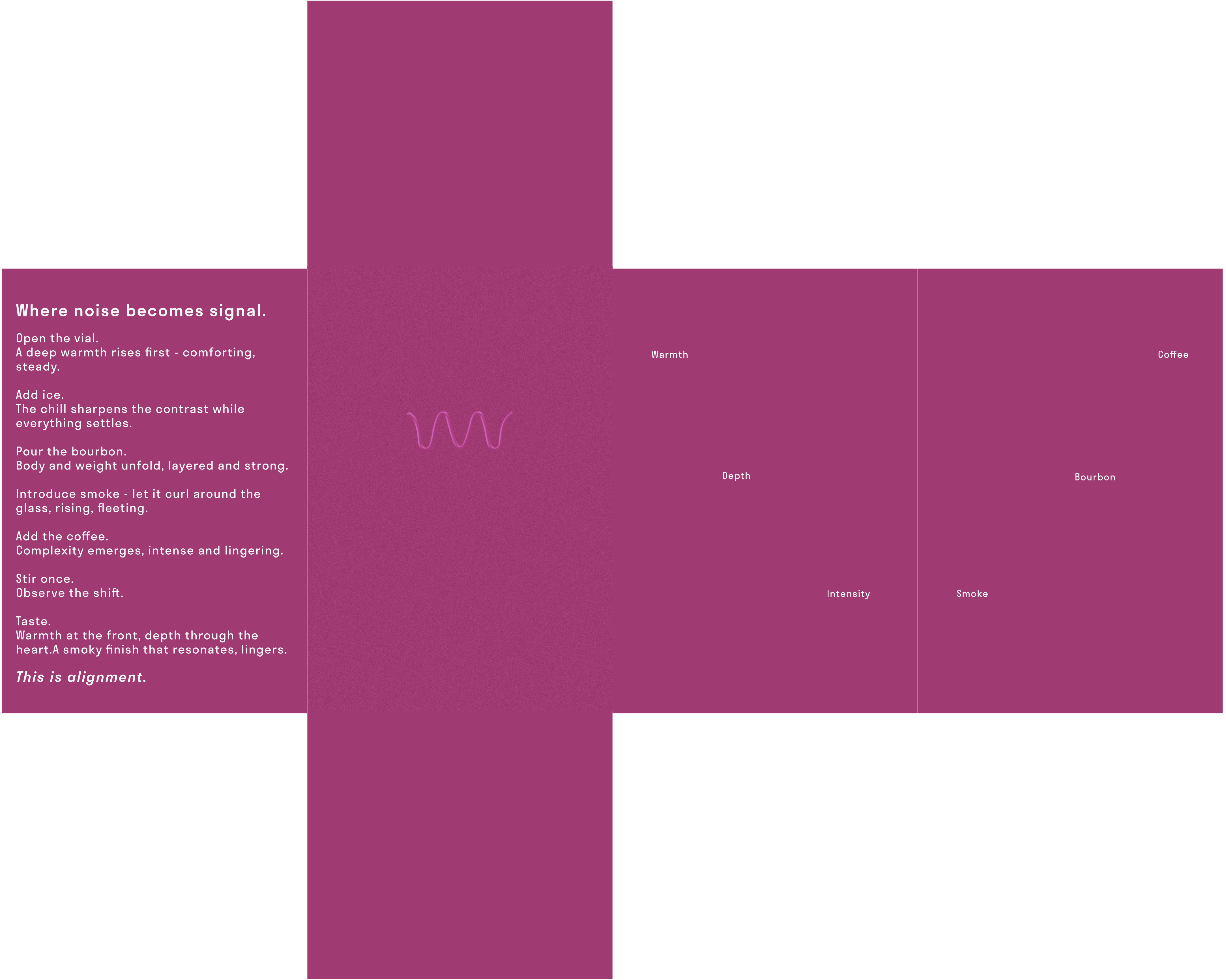
Developed a series of custom nets to test the continuity of the data-derived waveforms across physical surfaces. These layouts served as a blueprint for the spatial distribution of the sensory identity, ensuring the 'Signal' remains fluid and uninterrupted once the package is assembled.

Alcoholic delivery kit net — exterior Alcoholic delivery kit net — interior

Visual Language

Brainwave states — Delta, Theta, Alpha, Beta, Gamma

Brainwave States

Each fragrance within the Signals system is mapped to a specific brainwave state — from the slow, deep Delta waves to the fast, sharp Gamma frequencies. These neural signatures formed the core graphic vocabulary of the identity, with each waveform's character directly shaping the visual language applied across packaging, motion and spatial design.

Motion Design

Scent as Frequency

Motion translates fragrance into rhythmic behaviour, expressing scent through repetition, intensity and movement of pulse. The visual system operates as a continuous signal where energy expands and contracts rather than progressing linearly.

Scent is experienced as a frequency — an ongoing state of activation rather than a fixed moment.

Sound Logic — Burst State

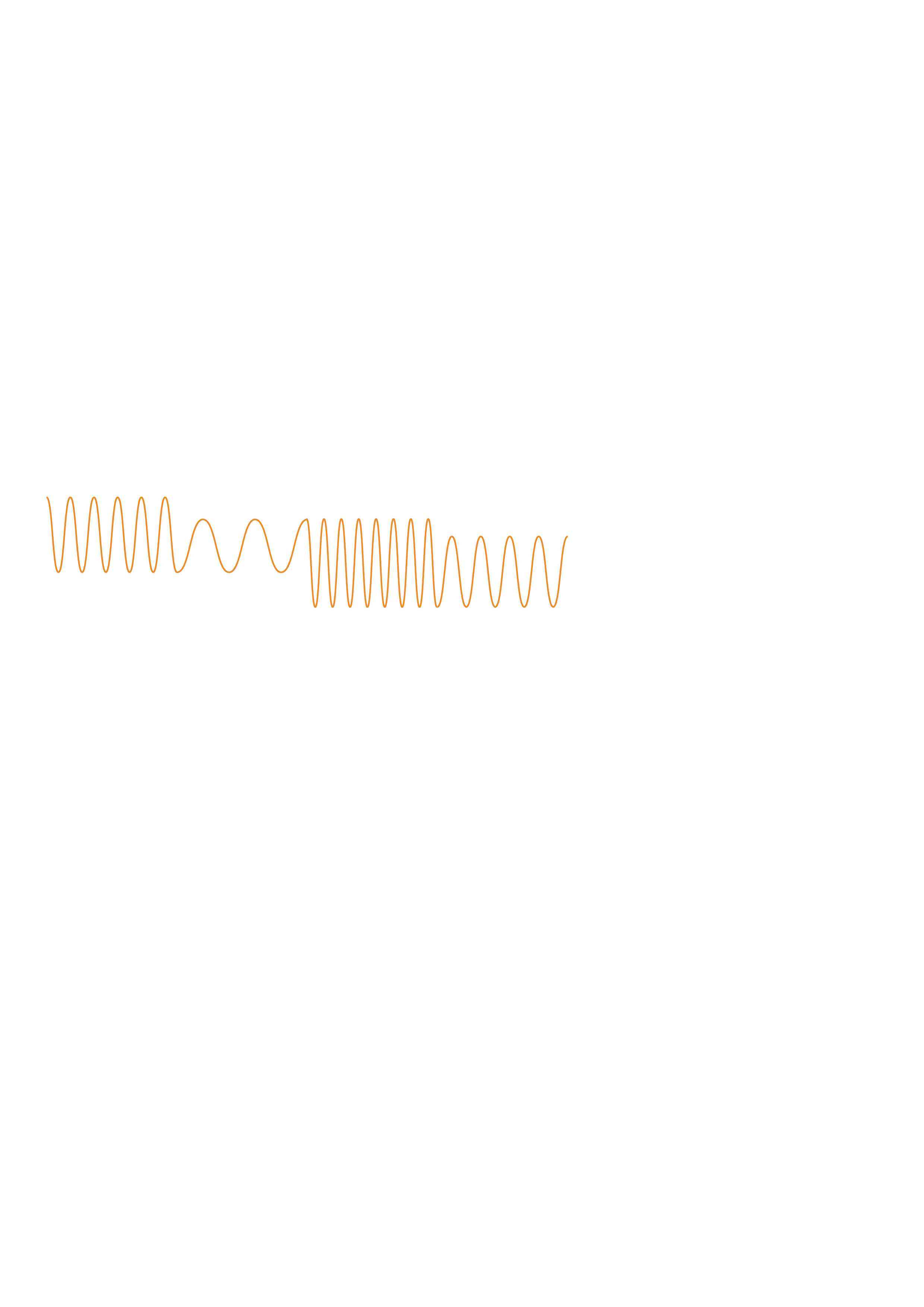
Burst state waveform

Immediate ignition — Sustained drive — Peak energy — Legacy energy

Spatial Experience

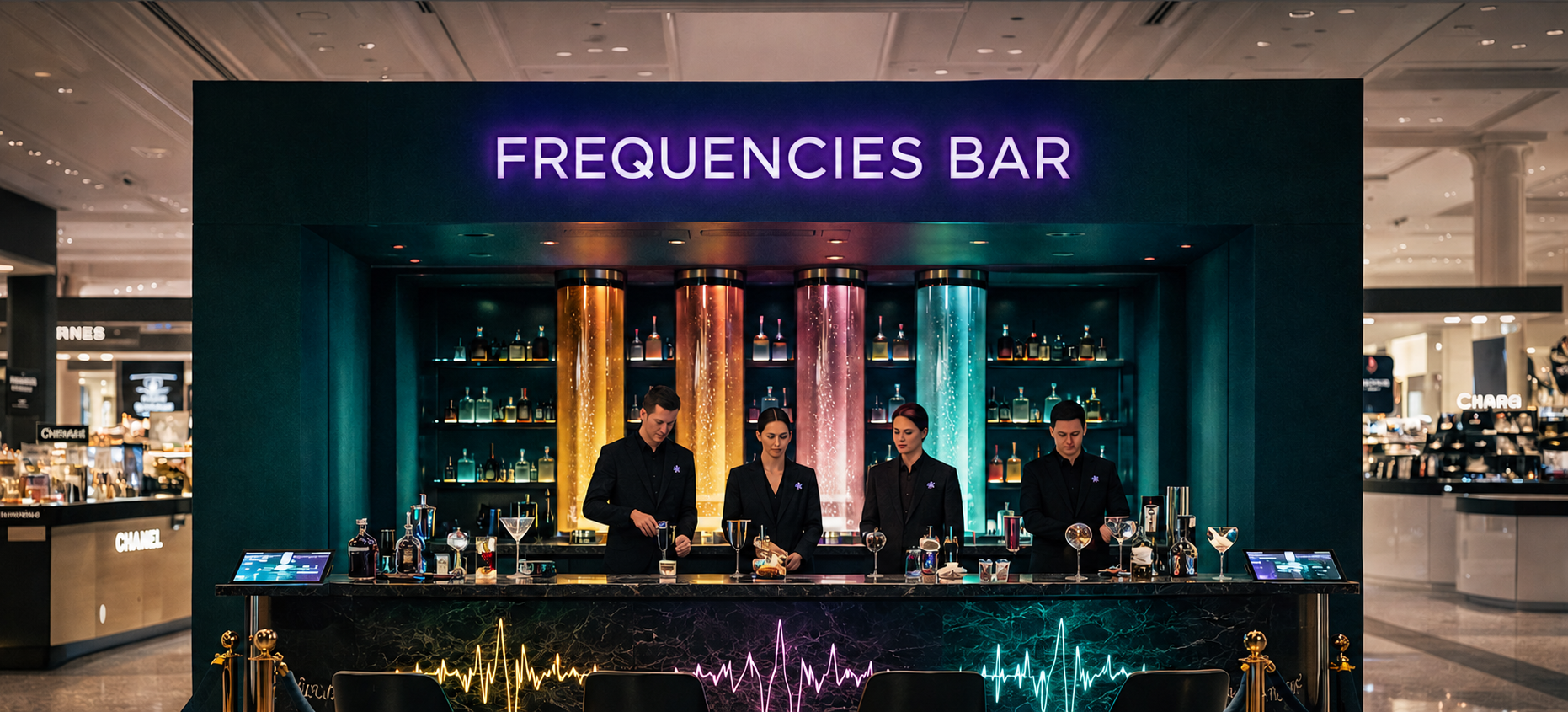
Frequency Bar

A short behavioural questionnaire assigns users a scent profile that maps to one of four fragrances. The system translates user states into sensory outcomes across taste and space.

Using initial spatial sketches as a foundation, neural rendering was used to explore cinematic lighting and material translucency of the pop-up environment — visualising how the data-derived Signal forms would physically interact with the high-end, immersive retail context of Selfridges.

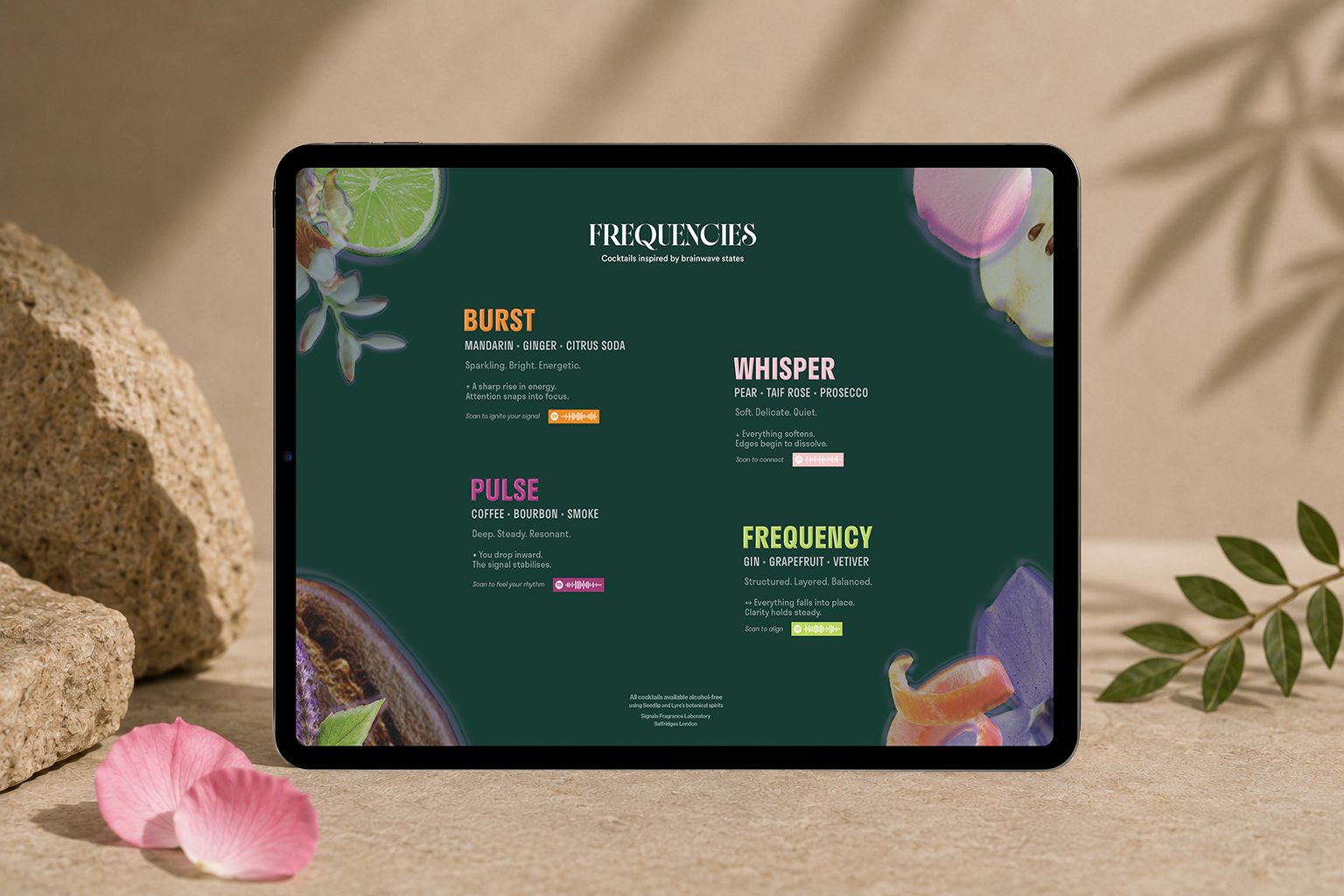
Frequencies cocktail menu
Frequency Bar at Selfridges

The System

A multisensory loop

Input

Scent

Translated into

Sound

Encoded as

Signal

Interpreted as

Taste

Deployed as

Space

A continuous loop between natural origin, designed objects, and collective spatial activation — where noise becomes signal.

© 2026 Dimitra Dimitriou. All rights reserved. Multidisciplinary Designer — London